

Staying active as the seasons change
As summer gives way to autumn, many of us notice our activity levels begin to shift.
When the evenings get darker and the weather becomes more unpredictable, it’s easy to let our motivation slip. A walk after work may feel less appealing when it is raining. A cycle ride can become harder to fit in around shorter days. Even getting outside at lunchtime can slip down the priority list.
However, staying active as the seasons change can play an important role in supporting both our physical and mental wellbeing. The key is not necessarily doing more – but in finding realistic ways to keep movement part of everyday life, even when the conditions around us begin to change.
Why movement matters as the seasons change
When we think about physical activity, it’s easy to picture structured exercise: going to the gym, joining a class, running a set amount of miles, or working towards a specific personal best. While those things can be helpful, they are only one part of the picture.
Movement itself is one of the simplest ways we can support our everyday wellbeing. It helps keep the body strong and mobile, supports heart health and circulation, and can reduce the stiffness or discomfort that often builds up when we spend long periods sitting at a desk, in a car, or on the sofa.
The good news is that movement does not have to be complicated to be worthwhile.
It might look like:
- Taking a short walk during your lunch break
- Stretching between meetings
- Getting off public transport one stop earlier
- Walking during a phone call
- Using the stairs where possible
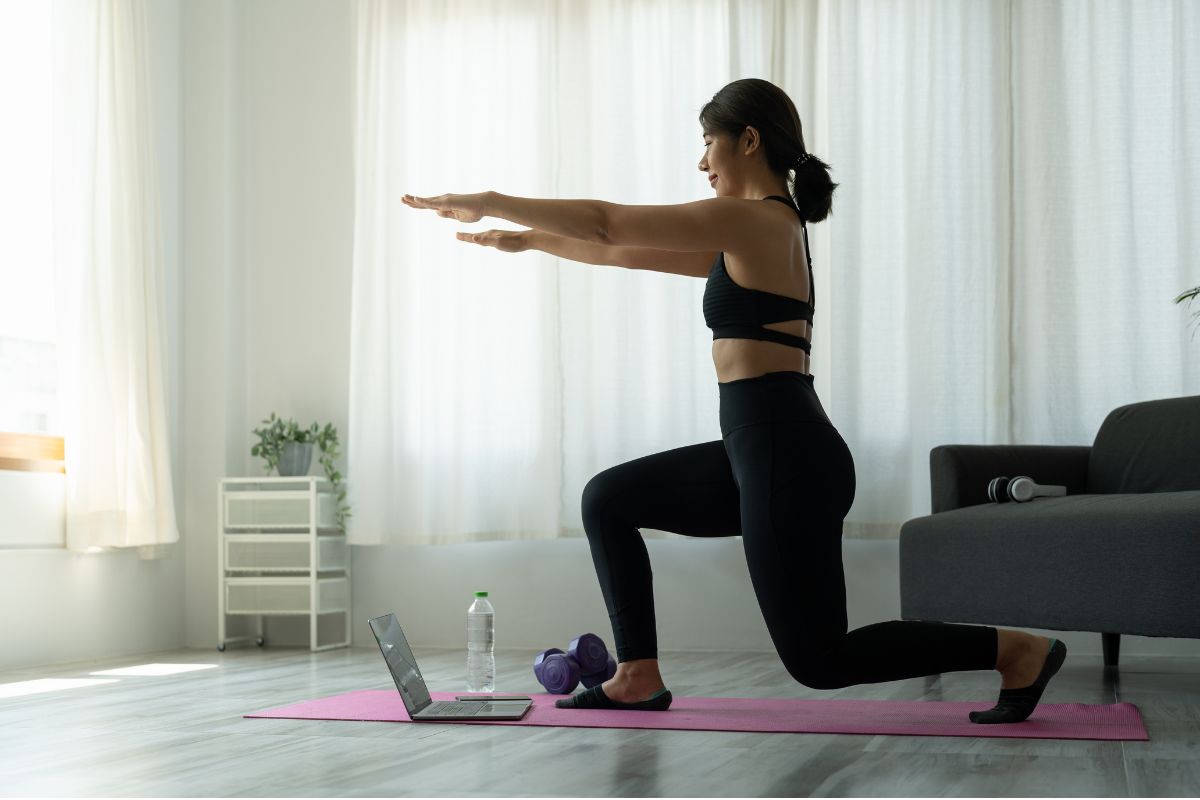
- Doing a short home workout
- Spending time gardening, swimming, dancing or cycling
- Making weekend plans that involve being outdoors
These small moments can add up. The aim is not to achieve a perfect exercise routine. It is to move more often in ways that fit naturally into your life.
Working with the season, not against it
Autumn can make activity feel more challenging, but it can also offer its own benefits.
Cooler temperatures can make walking, running or cycling more comfortable than in the height of summer. Parks and green spaces begin to change, and being outdoors can provide a welcome break from busy indoor environments.
A little preparation can make a big difference. Keeping suitable shoes, a waterproof coat, or an extra layer nearby can remove some of the barriers that stop us from getting outside. Planning activity earlier in the day can also help make the most of natural light.
It is also worth being flexible. If the weather is poor, movement might happen indoors instead. A few stretches, a short online class or even standing up regularly during the day can still help prevent long periods of inactivity.
Focus on how it makes you feel
It can be tempting to measure physical activity only by distance, time or intensity. While those measures can be useful, they are not the only signs that movement is helping.
You might notice that you feel more awake after a lunchtime walk. You may sleep better after being active. You might feel calmer, less tense, or more able to concentrate. These immediate benefits often matter more than we realise.
When movement becomes something that supports how you feel, rather than something you have to “complete”, it can become easier to keep going.
Keep it realistic
As the seasons change, routines naturally change too. What worked in July may not work in September, and that is okay.
The most helpful approach is often to adjust rather than stop altogether. Shorter walks, indoor alternatives, active weekends or simple daily movement can all help maintain momentum.
Staying active this autumn does not have to mean doing something dramatic. It can simply mean looking for small, realistic opportunities to move your body, clear your head and support your wellbeing as the months ahead become busier.
A little movement, done regularly, can make a real difference.