

Know Your Numbers Week: Why blood pressure is worth checking
Most of us know certain numbers off by heart.
We know our age, address, our pin number, important anniversaries, or perhaps even how many steps we might usually do in a day. But many of us do not know one of the most important numbers for our health: our blood pressure.
That is part of the message behind Know Your Numbers Week, which takes place from 7th – 13th September 2026. Run by Blood Pressure UK, the campaign encourages people to get their blood pressure checked and understand what their numbers mean. This year’s theme is “You know your age, do you know your numbers?”
It is a simple question, but an important one.
High blood pressure usually has no obvious symptoms, which means many people can be living with it without realising. It’s one of the biggest risk factors for heart attacks, stroke, heart disease and kidney disease, and the only way to know if your blood pressure is high is to check it.
What is blood pressure and why does it matter?
Blood pressure is the force of blood pushing against the walls of your arteries as your heart pumps it around the body. It naturally rises and falls throughout the day, depending on things like activity, stress, medications, sleep, and general health.
The issue comes when blood pressure stays consistently high over time.
High blood pressure can place extra strain on the heart, blood vessels, and other organs. Because it often develops silently, it may not cause noticeable signs until it has already started to affect health. That is why it is sometimes called a “silent” condition.
This can make it easy to overlook. If you feel generally well, booking a check may not feel urgent. But that is also why checking matters. It gives you information before a problem has the chance to become more serious.
The gap between knowing and doing
Most people understand that blood pressure is important, but fewer of us know our own reading.
Blood Pressure UK shared polling which found that more than four in ten UK adults do not know their current blood pressure reading, and almost a third do not check it regularly. The same update also highlighted that many people understand the link between high blood pressure, heart attacks and strokes, but may still not take action.
That gap is understandable. Health checks can be easy to put off, especially when life is busy, and nothing feels wrong.
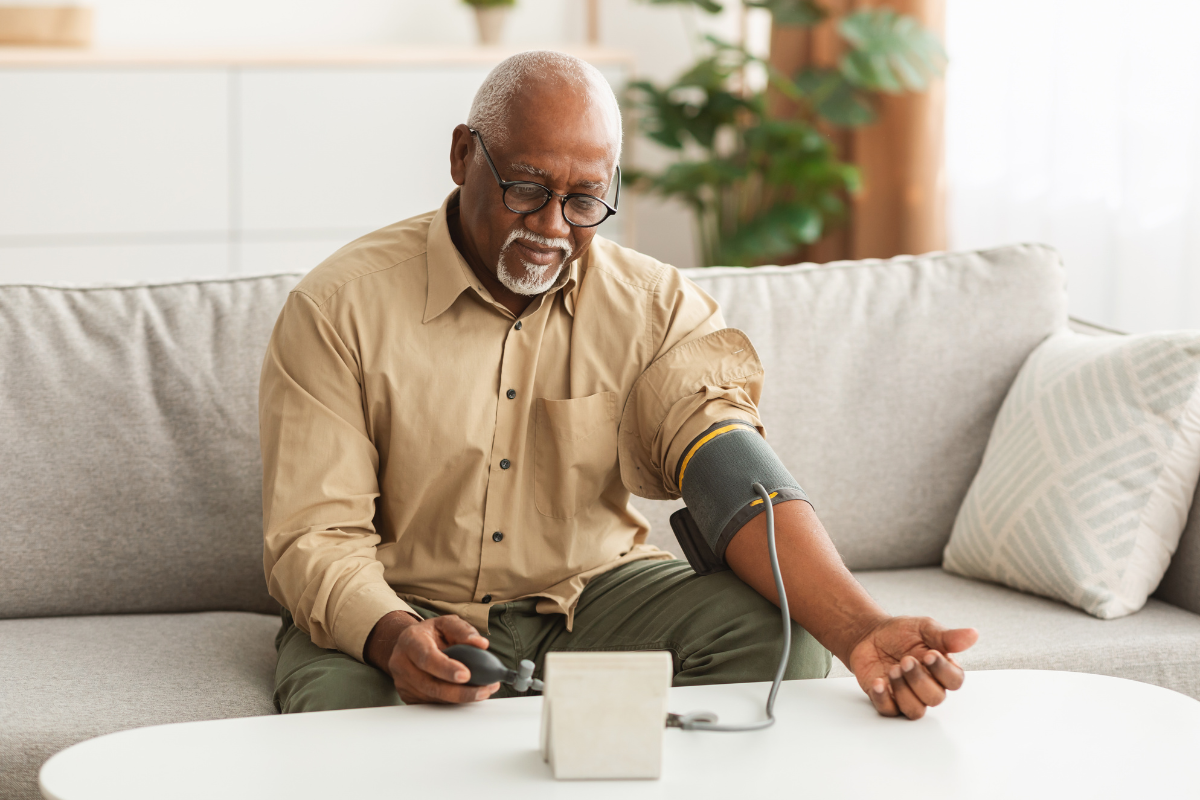
But getting a blood pressure check is quick, simple, and often available through pharmacies, GP surgeries, or home monitoring. For many people, it can provide reassurance. For others, it can be the first step towards getting support, making lifestyle changes, or discussing treatment with a healthcare professional.
Small changes can support better blood pressure
If your blood pressure is higher than recommended, it does not automatically mean something is seriously wrong. It does, however, mean it is worth taking seriously.
There are several everyday habits that can support healthier blood pressure over time, including:
- Staying physically active
- Eating a balanced diet
- Limiting alcohol
- Stopping smoking
- Managing stress
- Getting enough sleep
- Maintaining a healthy weight
As with many areas of wellbeing, small, realistic, consistent steps are often more sustainable than dramatic changes that are difficult to maintain.
A short daily walk, choosing healthier options, cutting back gradually on alcohol, or building more rest into your week can all contribute to better overall health.
A useful prompt to take action
Know Your Numbers Week reminds us that understanding our health does not always have to involve complicated tests or major changes. Sometimes, it starts with something as simple as getting a reading and knowing what it means.
If you have not had your blood pressure checked recently, September could be a good time to make it a priority. This may be particularly important if you are over 40, have a family history of high blood pressure, live with a long-term health condition, or have been advised to monitor your cardiovascular health.
Even if your reading is normal, knowing your numbers gives you a useful baseline. It helps you understand your health more clearly and notice any changes over time.
The takeaway
We often pay attention to our health only when something feels wrong. But prevention starts earlier than that.
Know Your Numbers Week is a timely reminder that blood pressure is one of those simple checks that can tell us a lot. It is quick, practical, and can help identify potential risks before they become more serious.
You do not need to wait until you feel unwell to take your health seriously.
Sometimes the most useful step is simply finding out where you stand.
This content is provided for general information only and should not be treated as a substitute for the professional medical advice of your doctor or other health care professional