

Ergonomics at Work: Small Adjustments, Big Impact
Why Everyday Discomfort Isn’t “Just Part of the Job”
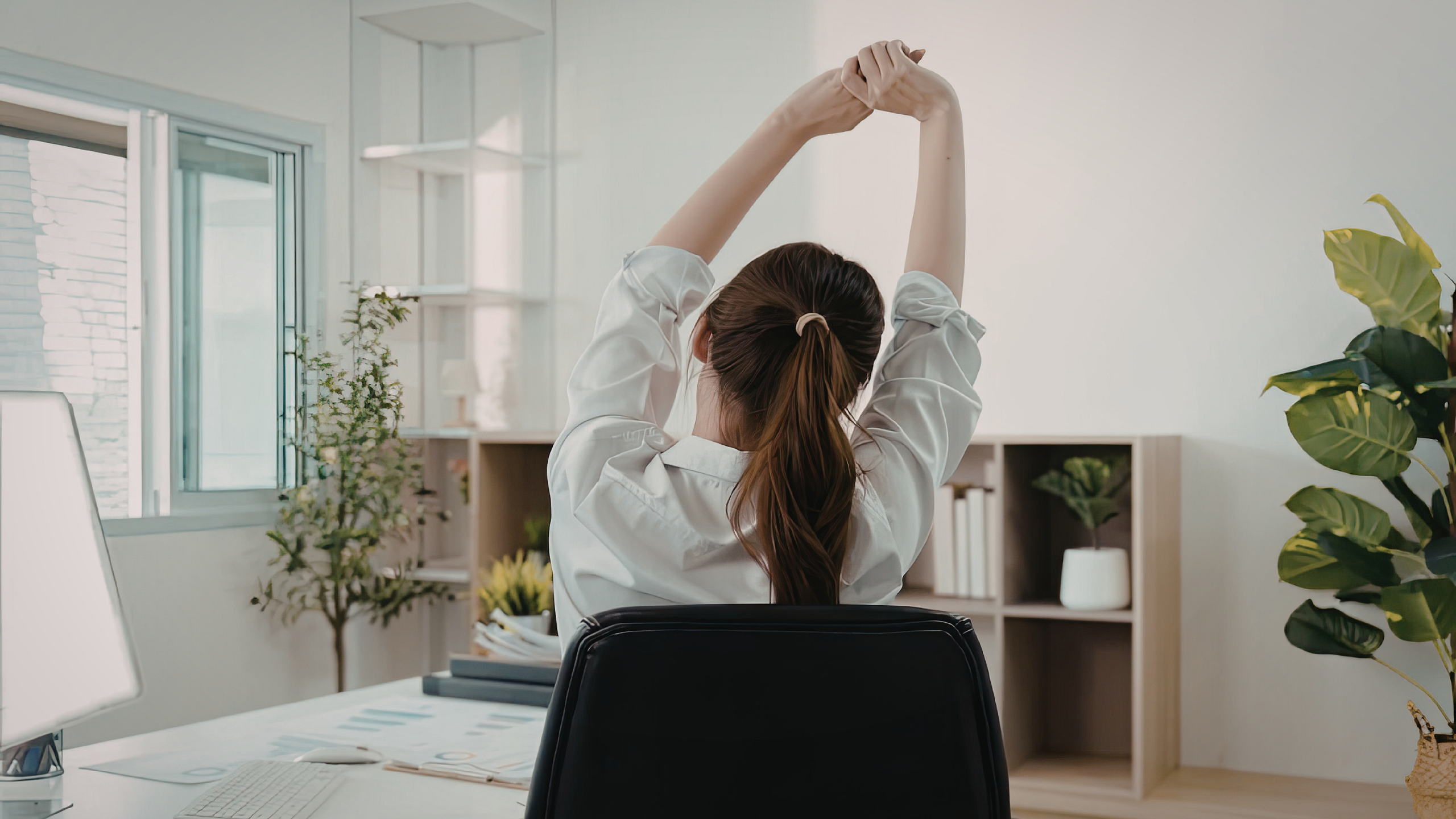
For many of us, discomfort at work has become something we quietly accept. A stiff neck at the end of the day, tight shoulders after long periods at a screen, or an aching lower back can feel like a normal part of working life. It’s easy to brush these off as minor inconveniences – something to push through rather than address.
But these signals are worth paying attention to. More often than not, they’re early indicators that your working environment or routine isn’t supporting your body as well as it could be.
Ergonomics is about shifting that dynamic. Rather than expecting people to adapt to their environment, it focuses on shaping the environment around the individual. When that balance is right, the benefits aren’t just physical – they influence how you think, feel and perform throughout the day.
The Link Between Comfort and Performance
It’s easy to underestimate how much physical discomfort can affect mental performance. Small distractions – adjusting your chair, stretching your neck, leaning forward to see your screen – all add up. Over time, they interrupt concentration and drain energy in ways that aren’t always obvious.
When your body feels supported, those distractions fade into the background. You’re able to focus more consistently, maintain energy for longer periods, and finish the day feeling less fatigued.
There’s also a longer-term benefit. Addressing discomfort early can help prevent musculoskeletal issues developing over time, particularly in areas like the neck, shoulders, and lower back. In that sense, ergonomics is as much about prevention as it is about comfort.
Optimising Your Desk Setup
For desk-based roles, the fundamentals are often simple – but making small adjustments can have a disproportionate impact.
A helpful starting point includes:
- Feet flat on the floor, with knees level with your hips
- Screen at roughly eye level to avoid leaning forward
- Keyboard and mouse close enough to keep elbows relaxed
- Lower back supported by your chair or a cushion
However, even with a well-adjusted setup, staying in one position for too long can still lead to discomfort. The body isn’t designed to be static, and even a good posture can become a strain if held for extended periods.
This is where movement becomes just as important as setup.
A useful way to think about it: your best posture is your next posture.
Regularly shifting position, standing briefly, or stretching between tasks introduces variation that helps reduce tension and keeps muscles engaged in a healthier way.
Ergonomics in More Active Roles
For those in physically demanding roles, ergonomics tends to show up in how tasks are performed rather than how a workstation is arranged.
Repetition, lifting, and fatigue all influence the risk of strain or injury. Even small inefficiencies in movement, when repeated throughout the day, can build up over time.
Key principles that support safer movement include:
- Keeping loads close to the body when lifting
- Avoiding unnecessary twisting, particularly when carrying weight
- Using available equipment or assistance where possible
- Recognising when fatigue is starting to affect technique
Pacing also plays an important role. Injury risk often increases towards the end of a shift, when energy levels dip and concentration starts to fluctuate.
Hybrid Working: Bridging the Gap
With many people now splitting their time between home and the office, ergonomic consistency can be harder to maintain. Office environments are typically designed with posture and support in mind, while home setups are often more improvised.
Working from a sofa or kitchen table may feel comfortable in the moment, but over time it can encourage awkward positions that place strain on the body.
The good news is that small adjustments can make a meaningful difference. Raising your screen to eye level, adding lower back support, or using a separate keyboard and mouse can significantly improve how your setup feels – even without specialist equipment.
Building Everyday Ergonomic Habits
Ergonomics isn’t about one major change – it’s about small, repeatable habits that support your body over time.
Simple actions can include:
- Taking short movement breaks every 30-60 minutes
- Noticing early discomfort and adjusting position accordingly
- Staying hydrated to support muscle function and reduce fatigue
- Speaking up or seeking advice if something doesn’t feel right
These habits build awareness, which is often the most important factor in preventing issues from escalating.
The Takeaway
Ergonomics doesn’t need to be complicated or rigid. At its core, it’s about paying attention to how you work and how your body responds.
By making small, practical adjustments and staying responsive to discomfort, you can create a working environment that supports you – helping you feel more comfortable, more focused, and better equipped to sustain your wellbeing over time.